

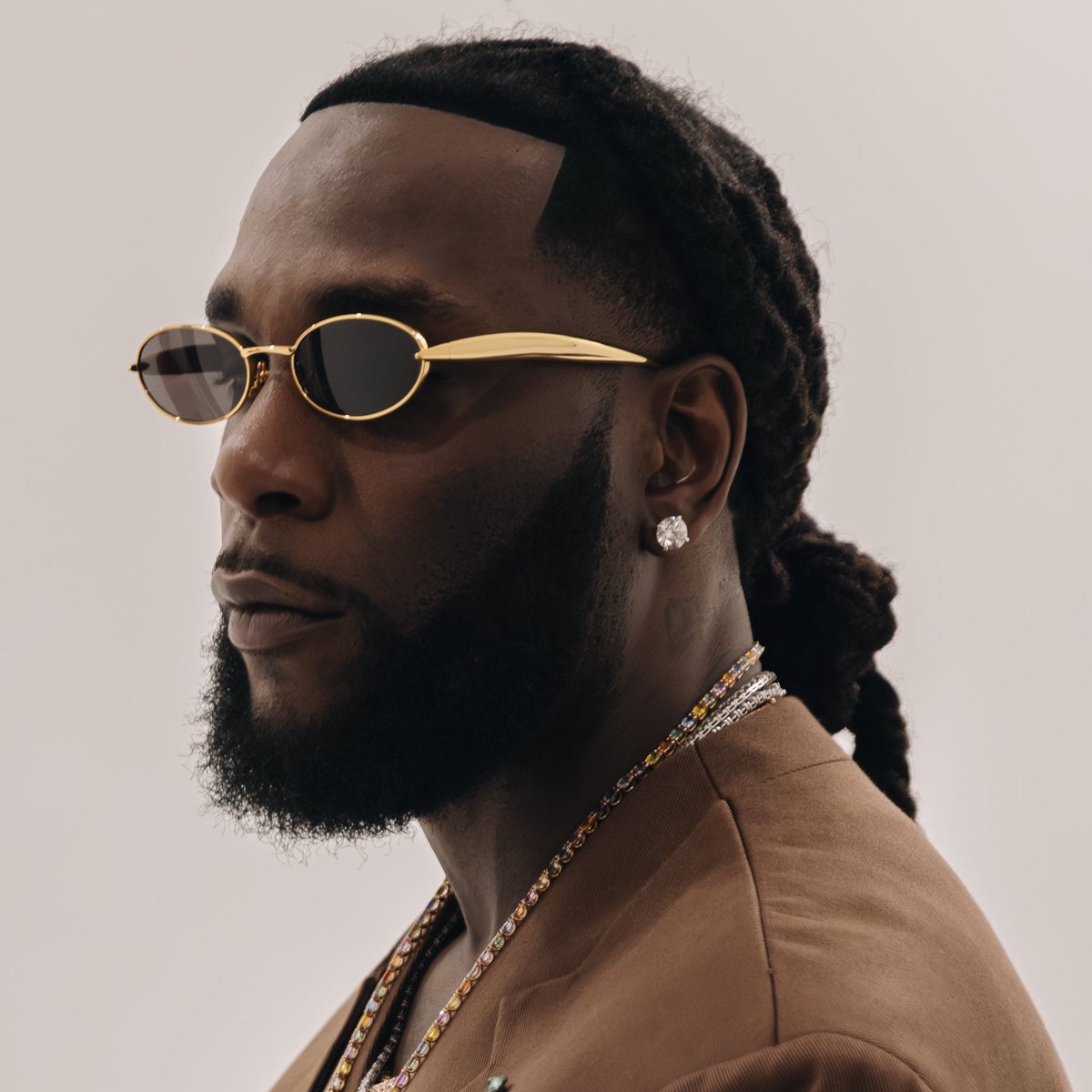
Nigerian superstar Burna Boy, born Damini Ogulu, etched his name in history on Sunday with a groundbreaking performance at the inaugural FIFA World Cup Final Halftime Show. This monumental event took place at the iconic New York Stadium, marking a significant milestone not just for Burna Boy, but for African music on a global platform.
Why should this matter to you? In a world where music and sports intersect, Burna Boy’s presence at such a prestigious event signals a shift in the entertainment landscape. His performance is not merely a celebration of sport but also an affirmation of cultural representation at the highest levels. The applause that echoed through the stadium was a testament to the growing influence of African artists worldwide.
What happened
Burna Boy took the stage as the sole African artist at the halftime show, where he performed the official song for the 2026 World Cup, “Dai Dai,” alongside Colombian pop icon Shakira. The dynamic duo brought an electric energy that had the audience on their feet, their rhythms infusing the atmosphere with a vibrant celebration of culture.
The Star-studded lineup also featured other global music heavyweights, including Justin Bieber, BTS, Madonna, and Coldplay, who collectively elevated the event to new heights. In an unexpected twist, Spain secured victory over Argentina, led by legends like Lionel Messi, with a narrow 1-0 win, making the night memorable for sports fans as well as music lovers.
Why it matters
Burna Boy’s historic performance is significant for several reasons. Firstly, it showcases the increasing acceptance and celebration of diverse cultures in mainstream entertainment. With the growing prominence of African music and artists, this event not only serves as a platform but also stimulates conversations about representation in global media.
Moreover, performances like Burna Boy’s influence popular culture, shaping trends and inspiring the next generation of musicians. The visibility afforded to African artists through such high-profile gigs helps to break down barriers and challenges stereotypes, fostering a richer, more inclusive artistic community.
The bigger picture
This halftime show is more than just a performance; it’s a landmark moment in the ongoing evolution of global music and sports intersection. As more African talents break into mainstream avenues, it becomes imperative to celebrate this shift and recognize the impact it has on both the music industry and cultural identity.
This event has set a precedent for future collaborations between artists across the globe. The 2026 World Cup Final will be remembered not only for its thrilling football but also for the groundbreaking musical experience it provided, illustrating how art can unite diverse audiences in celebration.
Key takeaways
- Burna Boy is the first African artist to perform at a FIFA World Cup Final Halftime Show.
- His performance of “Dai Dai” with Shakira captivated audiences and showcased African music’s global appeal.
- The halftime show featured other major acts like Justin Bieber, BTS, and Madonna, highlighting a diverse lineup.
- Spain’s victory over Argentina in the final added to the night’s historic significance.
- This event underscores the growing representation of African artists in mainstream entertainment.
In conclusion, Burna Boy’s historic performance at the 2026 World Cup Final Halftime Show is not just a personal triumph but a victory for African music on the world stage. This moment marks a new chapter in entertainment, where cultural diversity is celebrated, inspiring future generations to dream big and break barriers.
Source: Original report
