







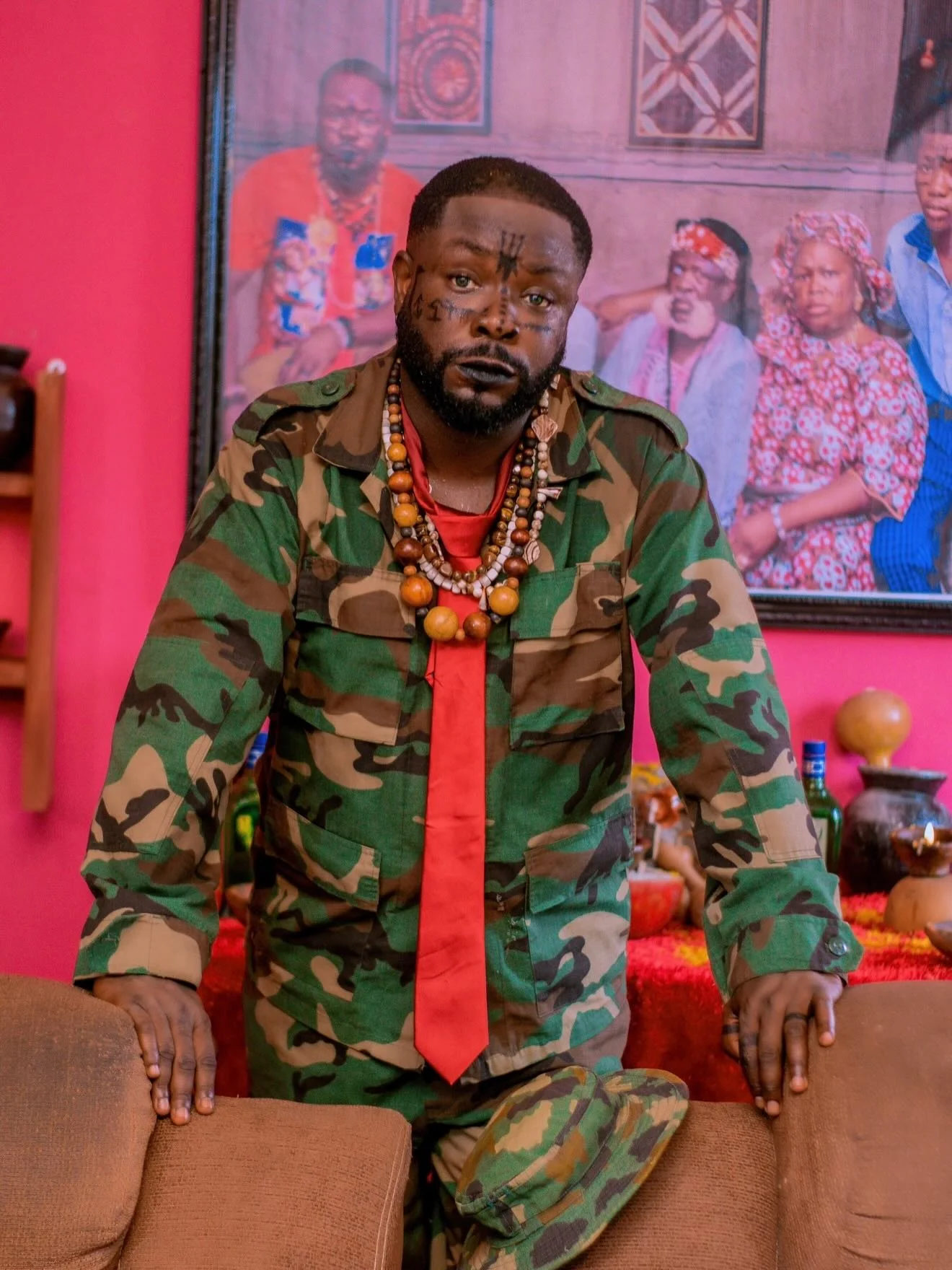
YouTube, once primarily a hub for vlogs and music videos, has evolved into a dynamic cinema, revolutionizing how filmmakers connect with audiences. African creators are now bypassing traditional distribution methods, bringing their films directly to viewers through the platform. With the rise of YouTube channels dedicated to film, the landscape of African cinema is undergoing a remarkable transformation.
This shift matters because it democratizes access to stories and experiences that reflect the diverse fabric of African life. As smartphone penetration increases across the continent, millions of viewers are turning to YouTube, making it one of Africa’s most popular entertainment sources. The platform is not only reshaping how films are distributed but also how they are consumed.
What happened
In recent years, filmmakers from Nigeria, Ghana, Kenya, Uganda, and beyond have seized the opportunity presented by YouTube. Instead of relying on physical cinemas or subscription-based streaming services, they are uploading their films directly to the platform. Notable producers such as Omoni Oboli, Uche Montana, and Itele D Icon have garnered millions of views for their independent films, showcasing the potential of YouTube as a viable outlet for storytelling.
Beyond just Nollywood, filmmakers from various African nations are leveraging YouTube to tell local narratives, allowing audiences unprecedented access to culturally rich and engaging content. For many viewers accustomed to consuming music and short-form videos on the platform, binge-watching feature films has become an extension of their existing habits.
Why it matters
The shift toward YouTube as a primary distribution channel signifies a major change in how success is defined in the film industry. Movies that attract millions of views generate significant advertising revenue, build dedicated subscriber bases, and spark conversations across social media platforms. This shift acknowledges that cinematic success is no longer limited to box office numbers; rather, it is intertwined with viewer engagement and community building.
A significant factor in YouTube’s appeal is its longevity. Films can continue to attract viewers long after their initial upload, unlike traditional cinema releases that disappear from the spotlight within weeks. This extended visibility allows filmmakers to cultivate lasting relationships with their audiences, shifting the conversation around what it means to be a successful filmmaker.
The bigger picture
YouTube has effectively lowered distribution barriers that independent filmmakers have historically faced. Aspiring directors no longer need extensive networks, hefty funding, or established industry relationships to reach audiences. All they require are compelling stories and creative freedom, enabling them to explore different genres and formats without the constraints that traditional distribution often imposes.
While the platform has redefined access to filmmaking, it also raises questions about the financial realities of producing quality cinema. Generating revenue remains a challenge, as advertising income alone may not sustain the costs associated with high-quality filmmaking. Nonetheless, YouTube introduces various monetization opportunities, from brand partnerships to licensing deals, paving the way for new business models that enhance visibility and foster collaboration.
Key takeaways
- YouTube has transformed into a cinema space for African filmmakers, offering direct access to audiences.
- It allows filmmakers to connect with viewers on their own terms, fostering a sense of community.
- The platform redefines cinematic success by measuring viewer engagement rather than just box office revenue.
- Independent filmmakers benefit from reduced barriers to entry and increased creative freedom.
- YouTube provides multiple monetization avenues beyond traditional advertising.
The emergence of YouTube as a primary channel for African cinema reflects a burgeoning landscape where creativity flourishes. This platform empowers both established directors and independent filmmakers to showcase their work without traditional constraints, providing audiences with a wealth of diverse stories. Although theaters and streaming platforms will remain vital components of the film industry, YouTube has carved out an indispensable role as Africa’s most accessible screening room, one that prioritizes connection and context over conventional distribution metrics.
Source: Original report


