






Kruger National Park is steadily rebounding from the devastating floods that impacted the region earlier this year. SANParks has recently announced the latest updates regarding the reopening of camps, visitor facilities, and roads affected by the storm’s aftermath. Nature lovers and adventure seekers can look forward to experiencing the park’s unique wildlife and beauty once more.
This development is significant for both local communities and tourist enthusiasts. Kruger National Park, a gem of South Africa’s natural heritage, plays a pivotal role in the country’s tourism and economy. Its wildlife, scenic landscapes, and hospitality make it a coveted destination for visitors from around the world. Knowing the park is on the mend is a relief to those who cherish its wonders.
What Happened
Following the floods in January, most entrance gates and a majority of visitor facilities at Kruger have reopened. However, there are still some areas needing attention. Notably, Shimuwini Bush Camp remains closed as it undergoes restoration. In contrast, Balule Satellite Camp is slated to welcome guests by the end of October, while efforts continue at Pafuri Border Camp.
For those hoping to visit Sable Hide, it is currently open only for day visits, delaying overnight accommodations. The Thulamela Heritage Site is unfortunately still inaccessible due to flood damage, while Shingwedzi Rest Camp successfully reopened on March 6. The recent highlight in recovery efforts is the partial reopening of Letaba Rest Camp on July 6. As reported by SANParks Head of Communications JP Louw, critical repair works on facilities such as fences and ablution blocks will help pave the way for more comprehensive services.
While the full camping site has not yet reopened, visitors can enjoy certain amenities, including a shop and reception area. The camp is expected to return to full operation by December, thrilling conservation enthusiasts and holidaymakers alike.
Why It Matters
The recovery of Kruger National Park is about more than just reopening facilities; it symbolizes resilience in the face of adversity. The park’s diverse ecosystem serves as an essential habitat for a plethora of wildlife, making its restoration pivotal for the environment. Reopening these areas also boosts the local economy, encouraging travel and generating jobs in surrounding communities.
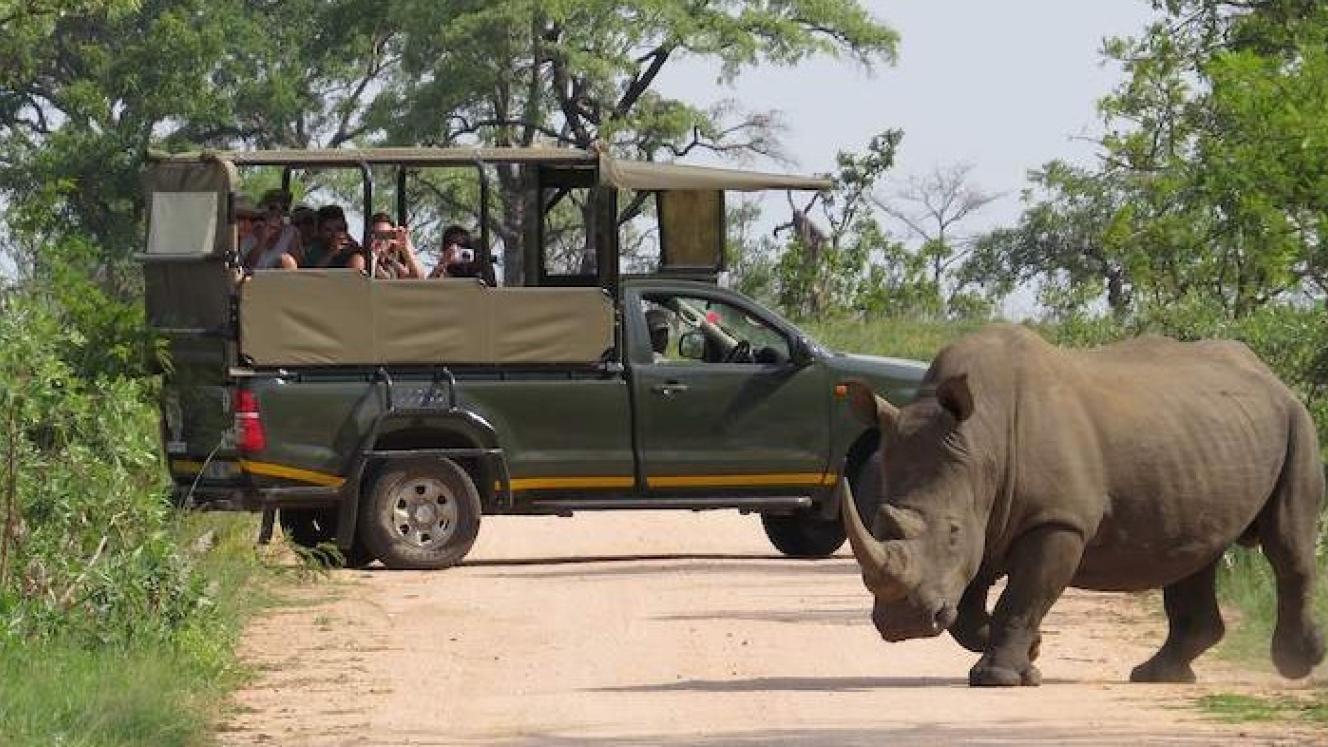
Moreover, Kruger National Park showcases the beauty of South Africa’s landscape. With winter upon us, now is a particularly rewarding time for wildlife viewing as the thinner foliage makes animal spotting easier. Understanding the ongoing recovery gives visitors insight into how they can safely engage with nature and support conservation efforts.
The Bigger Picture
Beyond the immediate impact of the floods, the situation at Kruger National Park highlights the increasing challenges posed by climate change. As weather patterns alter, parks and ecosystems will require more robust responses to natural disasters. The proactive measures taken by SANParks to rehabilitate the park can serve as a model for other conservation areas facing similar challenges.
Moreover, these efforts not only protect the wildlife but also foster a deeper connection between visitors and the natural world. Such a connection is vital in today’s fast-paced society, where the stresses of urban life can disconnect individuals from nature’s wonders.
Key Takeaways
- Kruger National Park is gradually restoring operations after the January floods.
- Several camps remain closed while restoration is ongoing, with targeted reopening dates set for various facilities.
- The park is primarily accessible with most entrance gates functional, although some roads are still closed.
- Visitors can look forward to improved experiences during the winter months, ideal for wildlife sightings.
- Longer-term environmental challenges underscore the need for disaster preparedness and resilient tourism practices.
As Kruger National Park continues its recovery journey, visitors can look forward to experiencing one of South Africa’s most cherished natural wonders once again. Engagement with this captivating environment not only offers adventure but also contributes to vital conservation efforts that protect its incredible biodiversity. Let’s support this beautiful park as it makes a much-anticipated comeback!
Source: Original report


