







As travel patterns shift dramatically, Europe’s shoulder season is emerging as a prime choice for South African travelers. With demand surging and nearly rivaling the bustling summer months, it’s clear that this off-peak period is not just a fallback option, but a coveted travel window.
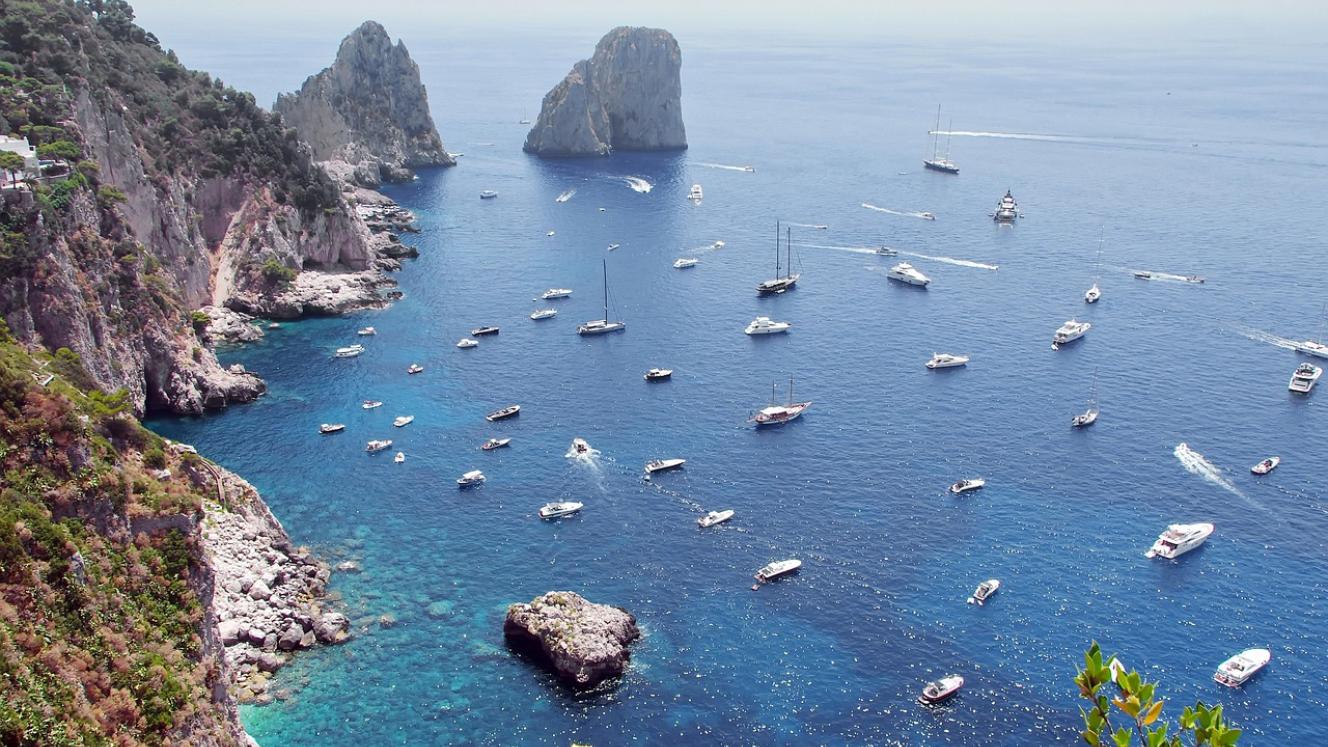
Why should this trend matter to you? The shoulder season offers a savory blend of fewer crowds, more competitive pricing, and the opportunity to explore Europe’s stunning destinations in a more laid-back atmosphere. Whether you’re dreaming of the Amalfi Coast or Lisbon, the allure of traveling during these quieter months is capturing the imagination of wanderlust-fueled South Africans.
What Happened
According to industry insiders, Europe’s shoulder season is rapidly becoming a preferred travel time. Angie Cachao, Europe Product Manager at Thompsons Holidays, notes, “Peak season remains the busiest, but the shoulder season is experiencing stronger year-on-year growth.” This sentiment is echoed by Megan Opperman from Envoyage, who reports a noticeable surge in interest for late September in the Amalfi Coast, October in Lisbon, and early June in the Greek islands.
Booking data from Venue & Destination Options, the South African General Sales Agent for Europamundo, reveals a striking trend: September has become the single busiest month, overtaking July and August. “Our October numbers are up more than 50% compared to 2019, indicating a remarkable shift towards spring and autumn travel,” says Cameron Schmidt, the Accounts & Operations Manager.
Even in the colder climes of Scandinavia, shoulder months are gaining traction. “While December remains a hot spot, January through March are becoming increasingly popular as travelers seek quieter experiences under the Northern Lights,” remarks Stacey Rampersadh, Director of Inspirations Travel & Tours.
Why It Matters
The forces behind this shift are multifaceted. First and foremost, value has become a critical factor in travel decisions. Rising post-pandemic costs have left many travelers more budget-conscious than ever. As Michelle Page from Envoyage suggests, “The difference in pricing between peak and shoulder season is significant enough to influence choices immediately.”
Social media is a double-edged sword. While it showcases breathtaking destinations, it also highlights the overcrowding that can mar peak travel experiences. With record heatwaves gripping countries like France, the UK, and Spain, many tourists are now opting for cooler travel periods in May and September. Additionally, the modern work ethos, with remote work becoming the norm, allows more flexibility in booking trips outside traditional holiday windows.
The Bigger Picture
This shift towards shoulder season highlights a deeper, long-term evolution in traveler behavior. “The traditional concept of a travel season is gradually changing,” observes Cachao. Greater emphasis is being placed on value and authentic experiences, resulting in more even distribution of traveler demand throughout the year.
Schmidt notes that this change is not just a fleeting trend; it is structural and influenced by climatic conditions and evolving work dynamics. While school holidays and a desire for a quintessential ‘European summer’ will continue to drive peak-season travel, the increasing preference for shoulder season cannot be ignored.
Key Takeaways
- September has overtaken July and August as the busiest month for South African travelers to Europe.
- Prices during the shoulder season are more competitive and increasingly attract cost-conscious travelers.
- Crowds during peak seasons are prompting many to choose quieter travel periods.
- Flexible working arrangements are enabling travelers to book trips outside of traditional school holidays.
- This trend reflects larger shifts in traveler behavior, focusing on value and authentic experiences.
In summary, the rise of shoulder season travel is not merely a passing trend; it reflects a meaningful transition in how people engage with the world of travel. As the landscape continues to evolve, keeping an eye on these shifts will not only enhance personal travel experiences but also help manage the growth of tourism sustainably. With a wealth of beautiful destinations to explore at a fraction of the summer cost, why wait? The magic of Europe’s shoulder season awaits.
Source: Original report


