


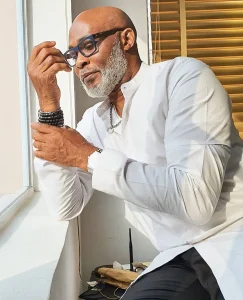





In a candid revelation that has ignited conversations across social media, Hazel Oyeze Onou, better known as Whitemoney, the charismatic winner of Big Brother Naija, has openly expressed his struggles with the dating culture in Nigeria. At 35, he finds himself navigating a landscape fraught with challenges that leave him single and yearning for companionship.
Readers should take note of Whitemoney’s insights, as they resonate beyond his personal circumstances. His reflections highlight broader societal trends that impact relationships in Nigeria. Issues such as financial expectations and the quest for genuine connections are prominent concerns that many can relate to, making his story both intriguing and relevant.
What happened
Whitemoney recently took to social media to share his thoughts, candidly addressing the complexities of dating in Nigeria. Appearing in a heartfelt video message, he articulated his concerns about being single at 35 years old, admitting that he is eager to settle down but feels trapped by the current dating landscape.
In his remarks, he noted, “I can’t even lie; I’m getting old. But the dating culture in Nigeria is something else. I need a wife. Where do they find good women?” His comments reflect a growing sentiment among many individuals who feel similarly challenged in the pursuit of meaningful relationships.
He specifically mentioned the financial demands commonly associated with dating in Nigeria, particularly in bustling cities like Lagos. “A lot of Nigerian girls now, any small thing, billing. They don’t care to ask what ‘can we build’? It’s difficult to find the right woman nowadays,” he lamented, striking a chord with those who feel the pressure of financial responsibilities in their romantic endeavors.
Why it matters
Whitemoney’s reflections serve as a mirror to the evolving dynamics of dating culture in Nigeria, revealing a landscape where financial expectations can overshadow genuine romantic connections. As societal norms shift, the search for love can become entangled with economic considerations, leading to disillusionment for many.
This situation prompts a broader conversation about the values within relationships today, especially in an environment where material expectations sometimes cloud emotional connections. It raises questions about how individuals can find balance and cultivate relationships that are not solely based on financial standing but also on mutual respect and shared goals.
The bigger picture
The discussion surrounding Whitemoney’s comments transcends his personal experiences. It highlights a cultural phenomenon where dating norms are evolving, particularly in urban areas. As living costs rise and societal pressures mount, the expectations placed upon individuals in romantic relationships seem to widen, often complicating human connections.
Moreover, as figures like Whitemoney speak out, it underscores a collective yearning for authenticity in relationships—a desire to look beyond financial demands and seek deeper emotional bonds. This ongoing dialogue may encourage a reevaluation of what individuals prioritize in their pursuit of love, ultimately leading to healthier, more fulfilling connections.
Key takeaways
- Whitemoney highlights the challenges of dating culture in Nigeria, particularly for singles over 30.
- Financial demands in relationships can overshadow genuine connections.
- The search for companionship in urban settings like Lagos can feel overwhelming.
- His insights resonate with many who grapple with balancing love and financial expectations.
- This discussion encourages reflection on what it means to build meaningful relationships in today’s society.
The narrative shared by Whitemoney is not just a personal anecdote; it’s a call for understanding and change within the dating landscape in Nigeria. As individuals grapple with the intricacies of modern relationships, it becomes imperative to foster connections based on more than just financial criteria—ultimately paving the path for love defined by authenticity and emotional depth.
Source: Original report


