





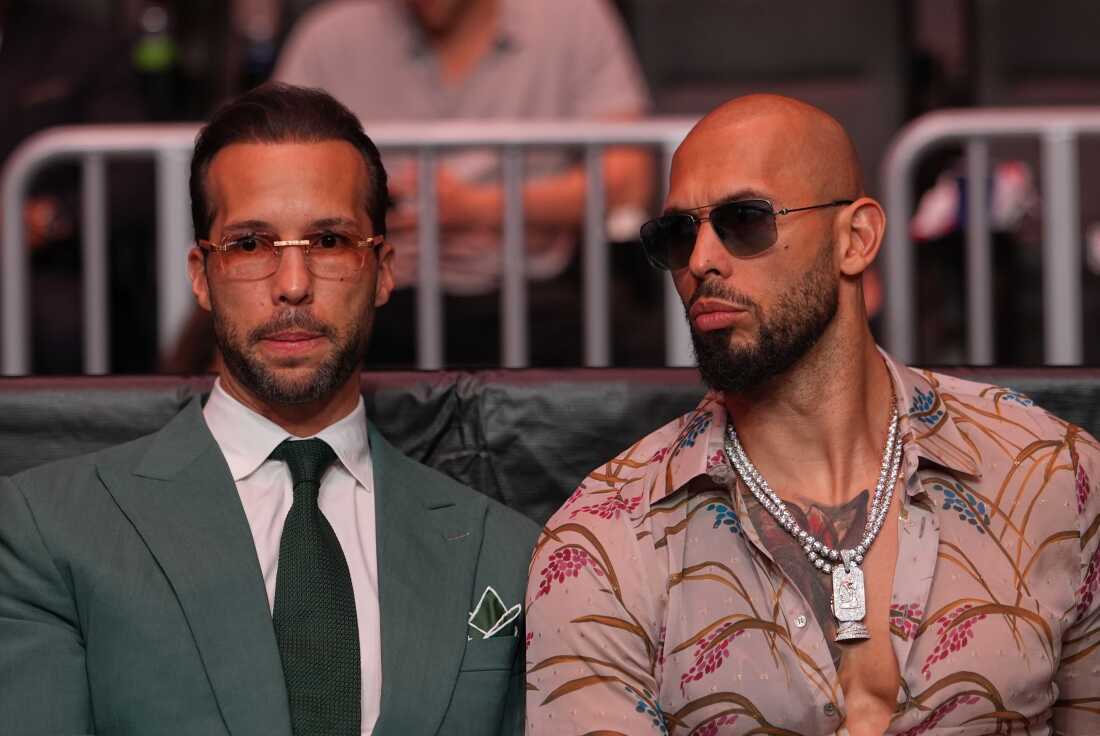
In a shocking turn of events, social media figure Andrew Tate and his brother, Tristan Tate, were arrested in Miami, Florida, as authorities in the United Kingdom intensify their efforts to extradite the siblings over serious new allegations. Charges of rape, sex trafficking, and assault have emerged, reigniting significant public interest in their contentious legal battles.
This development is crucial for readers, as it highlights the ongoing struggles and controversies surrounding high-profile influencers. The Tate brothers, who have garnered millions of followers online, are now entangled in legal issues that could have far-reaching ramifications for their careers and personal lives.
What happened
On Saturday, the United States Marshals Service confirmed the brothers’ arrest, although specific charges were not disclosed due to a sealed arrest warrant. However, updates from the UK’s Crown Prosecution Service (CPS) reveal that Andrew Tate faces seven additional counts of rape, along with accusations related to sex trafficking and possession of indecent images of minors. Meanwhile, Tristan Tate is facing two counts of rape and three counts related to facilitating trafficking for sexual exploitation.
In total, the Tate brothers are subject to a staggering 59 criminal charges, with allegations dating back between July 2010 and August 2017. Both brothers have maintained their innocence throughout this tumultuous period. The CPS confirmed that extradition proceedings would now commence, aiming to bring Andrew and Tristan back to the UK to stand trial.
Malcolm McHaffie, Head of the Special Crime Division at the CPS, emphasized the gravity of the situation, stating that the new charges followed a thorough investigation that increased the total number of alleged victims to seven. This complex investigation, led by Bedfordshire and Hertfordshire Police, has been ongoing and has led to the authorization of 38 new charges, significantly escalating the legal dilemmas faced by the Tates.
Why it matters
The implications of this case extend beyond the courtroom. With the brothers frequently using their platforms to espouse controversial views, their legal troubles highlight the intersection of social media influence and accountability. As figures like the Tates become entangled in serious allegations, it raises questions about the responsibilities of influencers and the potential consequences of their actions.
The scrutiny surrounding the Tates is also essential for understanding societal reactions to accusations of this nature. High-profile cases often provoke discussions regarding justice, victim support, and the complexities of legal proceedings, stirring public sentiment about the treatment of both the accused and the accusers.
The bigger picture
Since their arrest, the Tates have been at the center of a media whirlwind. Their previous attempts to compel authorities to unmask their UK accusers were thwarted when the CPS ruled that the identities of the alleged victims would remain confidential until formal legal proceedings begin. This decision raises further questions about transparency and the right to privacy for both the accused and those making allegations.
In 2024, European arrest warrants were issued for the brothers while they resided in Romania, where they were already under separate criminal investigation. The unfolding events illustrate a broader narrative regarding the fallout of celebrity culture, where actions may catch up with individuals who once seemed untouchable.
Key takeaways
- Andrew and Tristan Tate were arrested in Miami over serious allegations, including rape and sex trafficking.
- The UK authorities are pursuing extradition to bring them back for trial.
- The total number of charges against the brothers has reached 59, with a growing number of alleged victims.
- This incident serves as a critical reflection on the responsibilities of social media influencers.
- Legal ramifications illustrate the complexities of navigating celebrity status in light of serious allegations.
As the Tates navigate these tumultuous waters, the world watches closely. This case serves as a stark reminder of the blurred lines between influence and accountability, inviting ongoing discourse about the responsibilities that come with power and fame. With their fates now in the hands of the legal system, the story is far from over.
Source: Original report


