







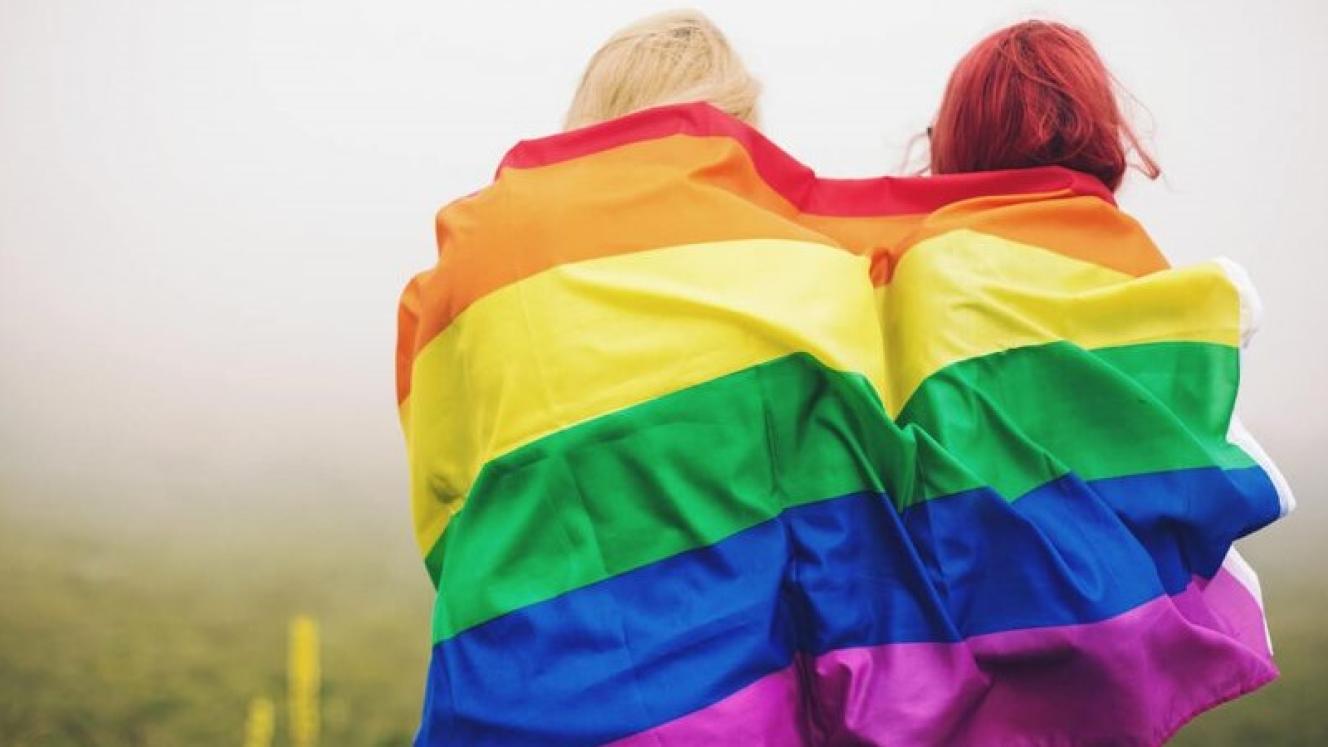
In a striking reminder of the challenges facing LGBTQ+ travelers, the travel industry is being urged to incorporate possible risks into their operational strategies, rather than viewing them as isolated incidents. This call to action was articulated by Meg Ten Eyck, the Chair of the Board of Directors for the International LGBTQ+ Travel Association (IGLTA). Recent events concerning a cruise in the Mediterranean highlight the urgency of this issue, especially as pushback against the LGBTQ+ community seems to be intensifying globally.
Understanding the travel landscape for LGBTQ+ individuals is paramount, particularly as these travelers increasingly seek safe and welcoming destinations. The refusal of an LGBTQ+ cruise to dock in Turkey and Egypt has raised significant alarms within the travel sector. It accentuates the need for better contingency planning when catering to this community, ensuring that everyone can enjoy their journeys without fear of discrimination or hostility.
What happened
A Virgin Voyages cruise, chartered by LGBTQ+ travel company Atlantis Events, encountered unexpected turbulence during a ten-day Mediterranean voyage from Athens to Venice. The Scarlet Lady, carrying approximately 1,900 passengers, was denied entry to both Turkey and Egypt due to its LGBTQ+ clientele. Turkish officials announced the cancelation of a scheduled stop in Kuşadası, labeling the ship’s guests as “incompatible with the structure and moral values” of their society.
In a further blow to the itinerary, Egypt subsequently revoked its initial approval for the ship to dock in Alexandria, a decision made mere hours before the planned arrival. Rich Campbell, President of Atlantis Events, expressed disappointment over this unexpected shift, noting that the company had a history of successfully docking at these locations in the past.
As a result of these refusals, the cruise was rerouted to Kotor, Montenegro, highlighting the precarious nature of LGBTQ+ tourism in certain regions.
Why it matters
Ten Eyck emphasized that this incident is not merely a service disruption but a wake-up call. “This is a reality check reflecting shifts against the LGBTQ+ community that we’ve witnessed around the world,” she stated. LGBTQ+ travelers often experience subtle forms of rejection; however, the scale of this incident underscores a more systemic issue. While many may take for granted their right to travel freely, for members of the LGBTQ+ community, these rights are frequently under threat.
Travel businesses need to proactively address potential disruptions. By preparing for “what-if” scenarios—be it local protests or unexpected policy changes—companies can shift the narrative from fear to readiness, ensuring that all travelers feel secure and valued.
The bigger picture
This incident raises broader questions about the evolving landscape for LGBTQ+ travelers worldwide. Countries once seen as welcoming are now displaying a more complex relationship with the community, necessitating constant vigilance and adaptability from travel operators. Ten Eyck stressed the importance of partnering with local operators who have a proven track record of respectful service, thereby fostering a network of reliable support for LGBTQ+ travelers.
“Relying on partners with experience offers more than just marketing; it provides a shield against potential discrimination, enhancing the overall travel experience,” she noted. As the travel industry grapples with these challenges, understanding regional climates and sentiments becomes critical in safeguarding the rights and dignity of LGBTQ+ travelers.
Key takeaways
- Travel planning for LGBTQ+ individuals requires robust contingency strategies to address potential risks.
- The recent disruptions to the Scarlet Lady cruise highlight the shifting attitudes towards LGBTQ+ travelers globally.
- Engaging with local travel partners who prioritize respectful service can mitigate risks and enhance experiences.
- Proactive preparedness can transform fear into resilience for LGBTQ+ travelers.
As the travel landscape continues to evolve, it is vital for the industry to remain vigilant and responsive to the needs of LGBTQ+ travelers. By fostering safer environments and encouraging inclusivity, travel businesses can help ensure that everyone, regardless of identity, can embrace the joys of exploration without fear.
Source: Original report


