







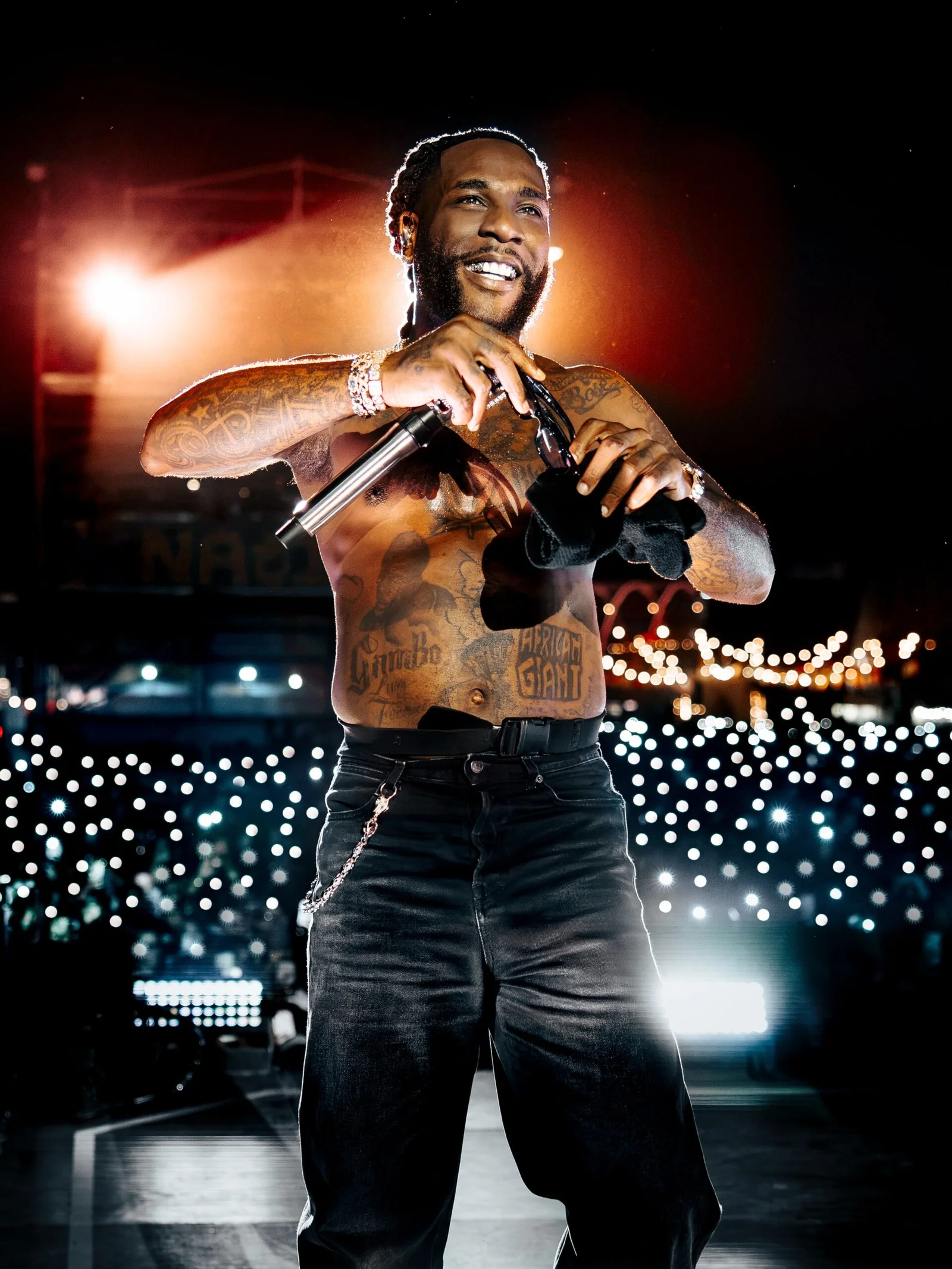
In a world where the boundaries of music are becoming increasingly blurred, African artists are rewriting the narrative of global stardom. Gone are the days when success was exclusively tied to international labels or star-studded collaborations. Today, African musicians are not just entering the global stage; they are commanding it, performing sold-out shows in major cities like London, Paris, and Toronto—all while proudly singing in their native tongues.
This story matters because it highlights a cultural renaissance. It showcases how African talent is redefining what it means to be a global artist, and it opens the door for diverse voices in a historically homogenized industry. The journey of artists such as Burna Boy, Tyla, and Tems exemplifies this shift and underlines the importance of authenticity and cultural pride in the pursuit of international success.
What happened
The contemporary music landscape has evolved significantly. Artists like Burna Boy became trailblazers by headlining stadiums in the UK, while Tyla catapulted Amapiano-inspired sounds to the top of global charts. Tems has secured her place alongside industry giants, further solidifying the power of African music on the world stage. The success of these artists underscores a collective shift: African musicians are no longer just participants in the global music scene; they are its driving force.
Why it matters
This artistic revolution extends beyond sound; it fosters a deeper understanding of African cultures, languages, and experiences. Every note and lyric serves as a cultural ambassador, and artists are dedicated to showcasing their heritage. With songs now flourishing on streaming platforms, the essence of Africa—expressed through fashion, dance, and language—is resonating worldwide. By keeping their cultural identities intact, these artists command attention, inspiring a global audience to embrace rich, diverse narratives.
The bigger picture
The rise of Afrobeats and Amapiano is more than just a musical trend; it is a movement that has transformed how global audiences engage with African art. These genres encapsulate not just sound, but the very fabric of daily life in cities like Lagos and Johannesburg. Rather than conforming to Western-style productions, artists fuse traditional elements with modern influences, thereby creating a captivating tapestry of sound that is both authentic and relatable. Today’s listeners yearn for honest, compelling stories— a sentiment that resonates deeply within the fabric of African music.
Key takeaways
- African artists are reshaping what global success looks like.
- Authenticity and cultural confidence are key to their impact.
- Collaborations are valuable but not the sole path to international success.
- The African diaspora plays a crucial role as early supporters and cultural ambassadors.
- Today’s music reflects a blend of African languages and contemporary sounds.
Ultimately, the narrative of becoming a global African artist revolves around bringing a piece of Africa to the world. Successful artists are not those who turn their backs on their roots; rather, they center African stories and experiences, crafting a universal appeal that resonates deeply with diverse audiences. In doing so, they not only elevate their status but also enrich the global music scene, altering perceptions of Africa forever. As these musical pioneers continue to break barriers, they are proving that the world is eagerly ready to embrace the vibrant pulse of African creativity.
Source: Original report


