







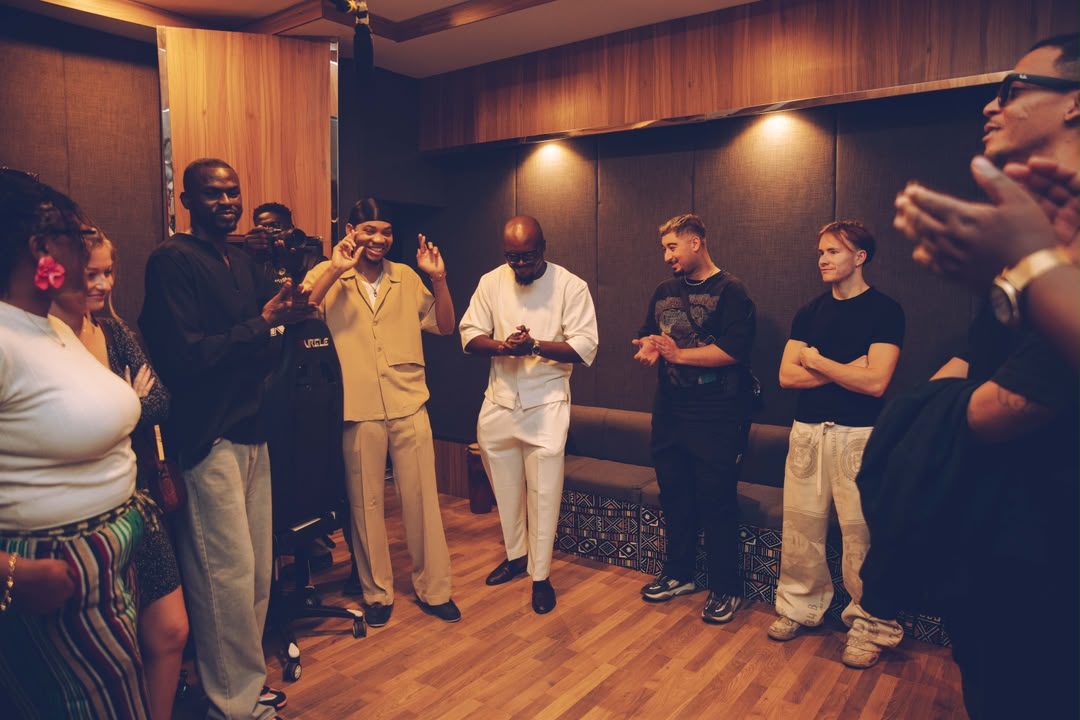
Kizito Ahams, Senior Manager of Licensing and Publishing at Mavin, recently engaged in a thought-provoking discussion about the future of the music industry from Geneva, Switzerland. Fresh off a series of meetings focusing on the intersection of creativity, economy, and music, Kizito’s insights provide a unique glimpse into the driving forces behind the acclaimed Afrocroiser project.
Why should you care? The evolving landscape of Afrobeats is capturing global attention, and understanding the behind-the-scenes efforts of those like Kizito can help shed light on the complexities of the industry. As Afrobeats continues to gain traction worldwide, the importance of intellectual property rights and creative collaborations becomes ever more relevant.
What happened
The genesis of Afrocroiser dates back nearly two years, when Kizito first conceived the idea. His journey began at a speaking engagement with SACEM, the world’s oldest performance rights organization. Through early discussions and a mutual desire to innovate, Kizito forged a partnership that laid the groundwork for a unique cultural exchange program.
What makes this initiative stand out is its intention to create a comprehensive experience that transcends mere music production. Kizito successfully transitioned the project from concept to reality, working diligently with both local and international talents to ensure that the business side didn’t stifle creative synergy. By establishing contracts and negotiations upfront, he aimed to protect the rights of all contributors while allowing creativity to flourish.
Why it matters
In an industry where creative professionals often remain hidden in the shadows, Kizito’s commitment to songwriters and producers is crucial. His belief that “without the songs, there is no music” resonates deeply as he advocates for greater recognition of those who craft the melodies and lyrics that propel the industry forward.
Additionally, Afrocroiser serves as a platform to challenge misconceptions surrounding songwriting within the Afrobeats genre. By showcasing the collaborative process—from initial melodies to fully realized tracks—this initiative aims to elevate the profiles of behind-the-scenes musicians and emphasize the teamwork involved in producing hit records.
The bigger picture
Kizito envisions Afrocroiser as a stepping stone toward a boundless future for Afrobeats, asserting that the genre knows no geographical limitations. He emphasizes the importance of Nigeria as a hub for creative collaboration, highlighting the remarkable talent in various fields—including videography and content creation—that contribute to the industry’s success.
When artists like Burna Boy achieve milestones, it reflects a collective effort. Kizito reiterates that the path to success in music is paved with teamwork and collaboration, urging audiences to recognize the importance of all contributors. The narrative aims to elevate the unsung heroes of the music industry and showcase their vital roles in telling these powerful stories.
Key takeaways
- Kizito Ahams is instrumental in creating the cultural exchange initiative, Afrocroiser.
- The project emphasizes collaboration between diverse talents from various cultural backgrounds.
- Protecting intellectual property rights fosters a healthier creative environment.
- Afrocroiser aims to elevate the profiles of songwriters and producers who are essential but often overlooked.
- The initiative highlights Nigeria as a central hub for global cultural collaboration.
Kizito concluded our conversation by recalling moments when African music transcends borders, such as its presence in films or major events like the FIFA World Cup. This underscores the power of creativity in promoting culture on a global scale. As vital contributors often remain unseen, initiatives like Afrocroiser advocate for their recognition, championing the idea that every member of the creative community deserves a spotlight.
Source: Original report


![Discipline, Not Just Talent, Fuels Career Longevity, Says Ramsey Nouah [VIDEO]](https://www.citymag.co.za/wp-content/uploads/2026/07/1784820179-450x225.jpeg "Discipline, Not Just Talent, Fuels Career Longevity, Says Ramsey Nouah [VIDEO]")
