

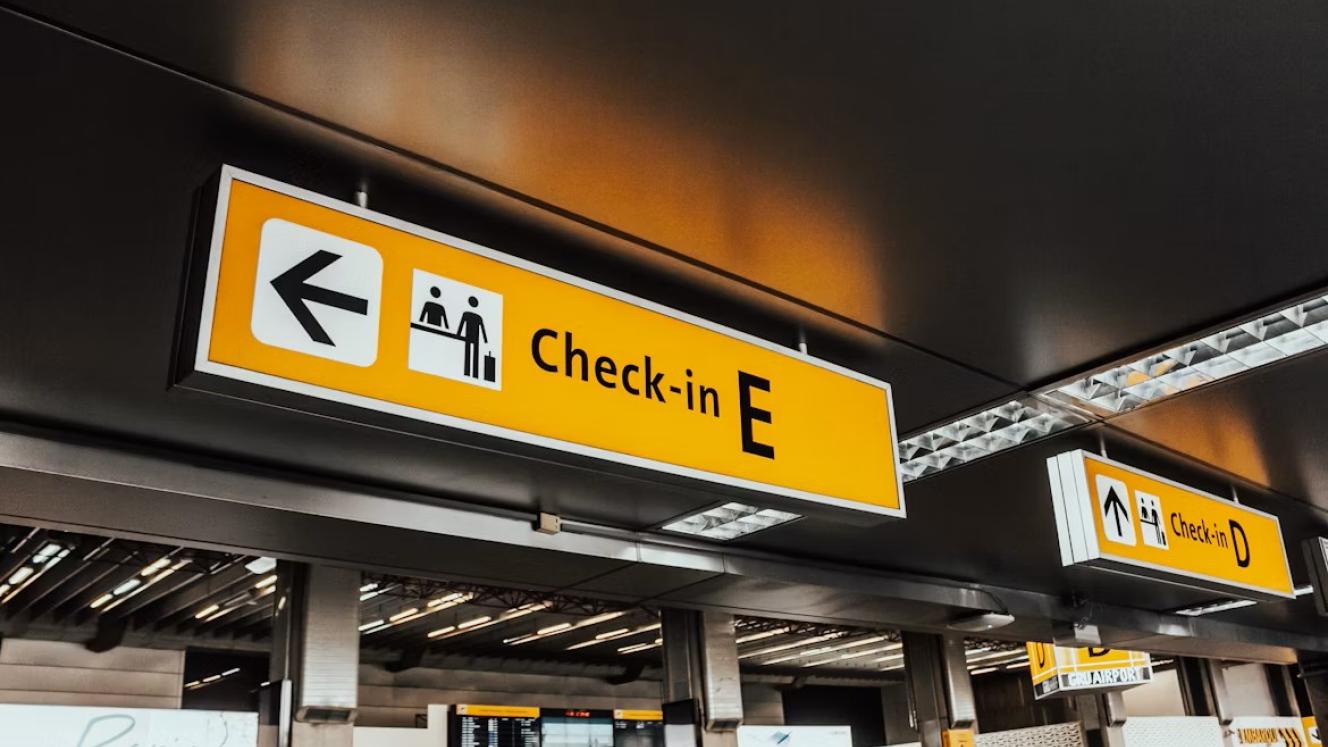
Airline Check-In Confusion: An Emerging Challenge for Travelers
In a puzzling twist of modern travel, airlines are increasingly requiring passengers to check in at airport counters, even with the convenience of online check-in. This irregularity is not just a minor inconvenience; it’s creating a significant burden for travel agents and their clients alike.
Why should you care? As travel resumes worldwide, the complexities of airline procedures impact not just agents, but every traveler aiming for a seamless journey. Understanding these emerging challenges could save you time, frustration, and possibly even money on your next flight.
What Happened
Travel agents have raised eyebrows over the inconsistent check-in processes now prevalent among various airlines. While most offer online check-in, many passengers still find themselves directed to the airport for additional procedures. Reports indicate that travelers are often able to check in online but are unable to secure a boarding pass, instead being sent to airport counters for document verification.
“My struggles with online check-ins are across the board, whether it’s GDS, NDC, or direct airline bookings. It strongly affects leisure travelers or those who don’t fly often,” stated Mandy Thomas from Cirrus Travel. Other agents echo her sentiments, saying they’ve experienced significant time loss when completing the online check-in process only to be redirected to airport counters.
Why It Matters
The necessity of airport check-ins for document verification has become a recurring theme. Agents have noted that issues often arise during online check-ins, particularly when dealing with specific travel regulations, such as the new UK eVisa requirements. In a world that thrives on instant solutions, having to visit physical airport counters for checks that could easily be completed online is frustrating for both agents and travelers.
Katia Robinson from Aideena Travel and Tours expressed the mounting frustration: “Some passengers get angry when they see that no boarding pass has been issued. Unfortunately, they direct their anger at the agent.” This situation underscores a growing disconnect between airline operations and customer service, eroding the trust the traveling public places in these services.
The Bigger Picture
The confusion extends beyond just check-in frustrations; it raises questions about the efficiency of the travel industry as a whole. With the existing complexities of international travel, such as visa regulations and varying airline policies, the reluctance of airlines to streamline the online check-in process could have broader implications for customer satisfaction. Issues related to seating choices during online check-in further complicate matters, as passengers frequently find themselves confronted with greyed-out options due to overbookings or aircraft changes.
As documented by one anonymous agent, “The moment that you see seats greyed out, you know that the flight is overbooked or there’s been an aircraft change.” This lack of clarity signals an obstacle to traveler confidence and adds unnecessary stress to the flying experience.
Key Takeaways
- Many airlines now require passengers to check in at the airport despite offering online options.
- Travel agents report increased time spent managing check-in chaos on behalf of clients.
- Document verification requirements are complicating online check-ins, especially with new visa regulations.
- Frustration is rising among passengers, leading to complaints directed at travel agents.
- The inconsistency could deter travelers from utilizing online check-ins, affecting overall customer satisfaction.
As travelers gear up for their journeys, staying informed about the evolving landscape of airline check-in policies has never been more crucial. This emerging challenge underlines the importance of clear communication between airlines and their passengers to ensure smoother travel experiences in the future. For now, it’s essential for every traveler to be aware of these potential pitfalls, reiterating that forewarned is forearmed when embarking on any adventure.
Source: Original report
