

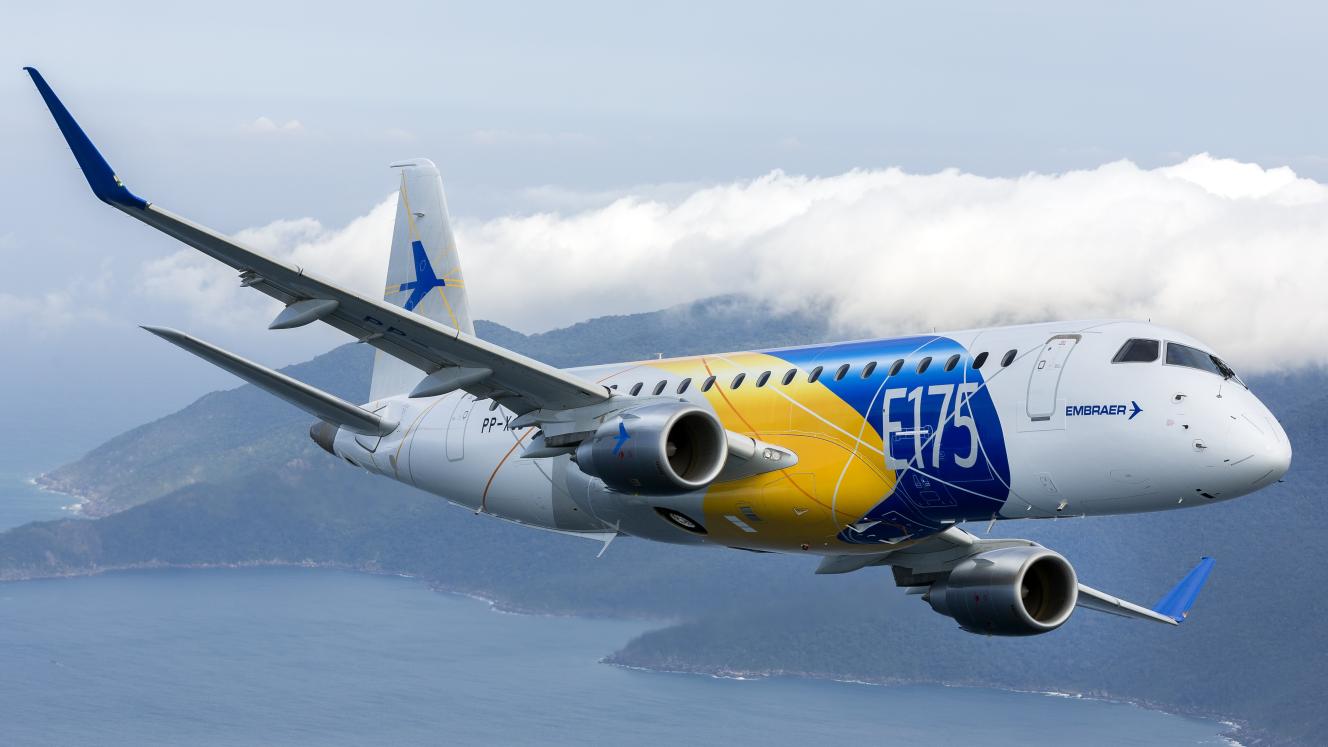
In a significant development for the African aviation landscape, three South African routes have emerged as prime contenders in Embraer’s 2026 Africa Connectivity Report. This report uncovers the continent’s top ten commercially viable unserved markets, spotlighting areas ripe for direct flight operations.
This revelation should grab the attention of travel enthusiasts and business professionals as it opens doors to new travel opportunities, fosters economic growth, and enhances regional connectivity. By understanding these unserved routes, stakeholders can strategize to better meet the rising demand for direct flights across Africa.
What happened
According to the report, a staggering 55 city pairs within Africa lack nonstop flights, even though they show a strong demand that could sustain direct services. Notably, the Cape Town-Lagos route has soared to the top of the list in 2026, moving up from a fourth-place ranking the previous year. This trajectory highlights the growing interest in direct travel between South Africa and Nigeria.
Another notable finding is the Cape Town-Lusaka route, which ranks as the second-highest unserved market. While Proflight Zambia does offer connectivity via Livingstone, the absence of a nonstop service makes this route a priority for potential airlines.
In a noteworthy ascent, the Durban-Mauritius route has jumped from 13th to 6th place, indicating a strong opportunity for direct flights. Presently, travelers connect through Johannesburg, but the report suggests that a 120-seat aircraft could efficiently operate three nonstop flights per week on this popular corridor.
Interestingly, the Cape Town-Dar es Salaam route, which was ranked eighth last year, has been dropped from the list entirely. This shift follows Air Tanzania’s introduction of a direct service in December 2025, illustrating how swiftly the dynamics of regional air travel can change.
Why it matters
The findings of the Embraer report highlight the critical issue of matching air traffic demand with appropriate aircraft and flight frequency. The evidence suggests that the challenge lies not in a lack of passenger interest but rather in optimizing the deployment of aircraft to serve these unserved routes effectively. Airlines can enhance operational efficiencies, bolster connectivity, and unveil lucrative revenue streams by employing right-sized aircraft.
The bigger picture
The potential of these unserved routes serves as a reminder of the ever-evolving landscape of African aviation. With increasing urbanization and a growing middle class, air travel demand is on an upward trajectory. Airlines that can tap into unmet traveler needs will not only boost their own profitability but will also contribute to regional economic integration and the movement of goods and people across borders.
Furthermore, establishing these direct flights could significantly enhance tourism, a vital sector in many African nations. By directly linking cities, airlines can facilitate easier movement for both leisure travelers and business professionals, ultimately fostering closer economic ties among African nations.
Key takeaways
- Three South African routes rank in the top ten of unserved markets in Africa.
- Cape Town-Lagos leads as the most commercially viable unserved route.
- Air services like Cape Town-Lusaka and Durban-Mauritius show considerable potential for direct flights.
- Optimizing aircraft size and frequency can alleviate demand mismatches in air travel.
- The air travel landscape in Africa is evolving rapidly, and direct flights could create numerous economic opportunities.
In conclusion, the Embraer 2026 Africa Connectivity Report paints an optimistic picture of the African aviation sector. As demands for direct routes grow, the opportunities for airlines and regional economies increase. The future of travel in Africa appears bright, with exciting developments on the horizon for both travelers and airlines alike.
Source: Original report
