

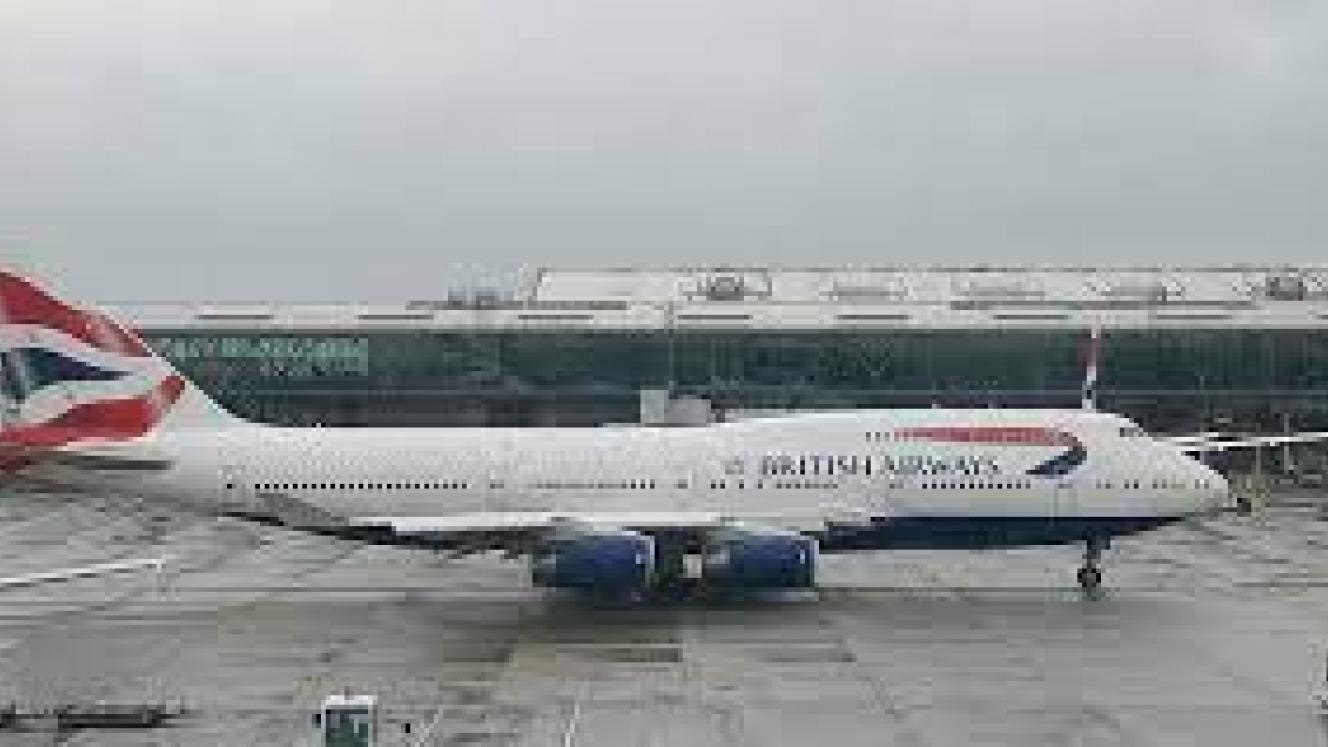
In a bold move that has set the airline industry abuzz, British Airways (BA) announced its decision to retire its in-house-developed New Distribution Capability (NDC) platform in favor of Amadeus’ Altéa NDC solution. This shift is prompting discussions among industry experts about the challenges that airlines face in realizing the full potential of NDC, a key initiative aimed at modernizing air travel distribution.
This development is particularly noteworthy for travelers and industry stakeholders alike, as it highlights the ongoing struggles and evolving strategies in airline retailing. As BA embraces a solution that promises more stability and broader integration with the industry, it raises questions about the future of NDC and the fundamental goals it was designed to achieve.
What happened
On June 25, Louise Baxendale, BA’s Head of Indirect Platforms, shared the news of the airline’s shift from its in-house NDC 17.2 program to the Amadeus Altéa solution, based on IATA Standard 21.3. “Altéa provides us with a stable and consistent platform that is deeply integrated within the industry, making it easier for our partners to manage their connections,” explained Baxendale. “This will enhance reliability and resilience today while offering a clearer path to future capabilities as we leverage Amadeus’s roadmap.”
Why it matters
BA’s transition is a reflection of its strategic pivot towards more manageable and standardized solutions within the complexities of airline distribution. This decision underscores the hurdles many airlines face in effectively implementing NDC, aiming to reduce reliance on Global Distribution Systems (GDSs). It also marks a notable return to foundational elements that prioritize technical outsourcing to align with core business objectives.
The bigger picture
Industry specialists have voiced concerns that BA’s choice might signify a regression in the airline’s efforts to break free from GDS dependencies. Ann Cederhall, a Travel Technology Specialist at LeapShift, remarked, “The initial intent of NDC was to empower airlines by reducing their reliance on GDSs… This move implies they are back to square one, having invested nine years and significant resources.” Riaan van Schoor, CEO of Agentivity, echoed this sentiment, suggesting that as airlines grapple with modern retailing, they’ve realized that NDC is just one piece of a larger puzzle, and outsourcing its functions might be the most logical approach.
Key takeaways
- BA is retiring its in-house NDC platform, opting for Amadeus’ Altéa solution.
- The shift emphasizes ongoing challenges within the airline industry regarding the implementation of NDC.
- Experts highlight the return to reliance on GDSs, raising concerns about potential monopolistic practices.
- Improvements in servicing capabilities within NDC are still lagging, with many airlines not adopting the latest standards.
- More airlines are beginning to explore alternatives to traditional NDC implementations.
As the airline industry continues to navigate its complex landscape, BA’s decision serves as a pivotal moment in the journey toward modernizing air travel distribution. With evolving technologies and emerging alternatives, the discourse around NDC is bound to shift, emphasizing adaptability and innovation as key drivers in the future of airline retailing. This chapter in BA’s strategy not only affects the airline’s operational framework but also invites stakeholders to closely monitor how these developments will reshape the ways fares are offered and serviced across the industry.
Source: Original report
