

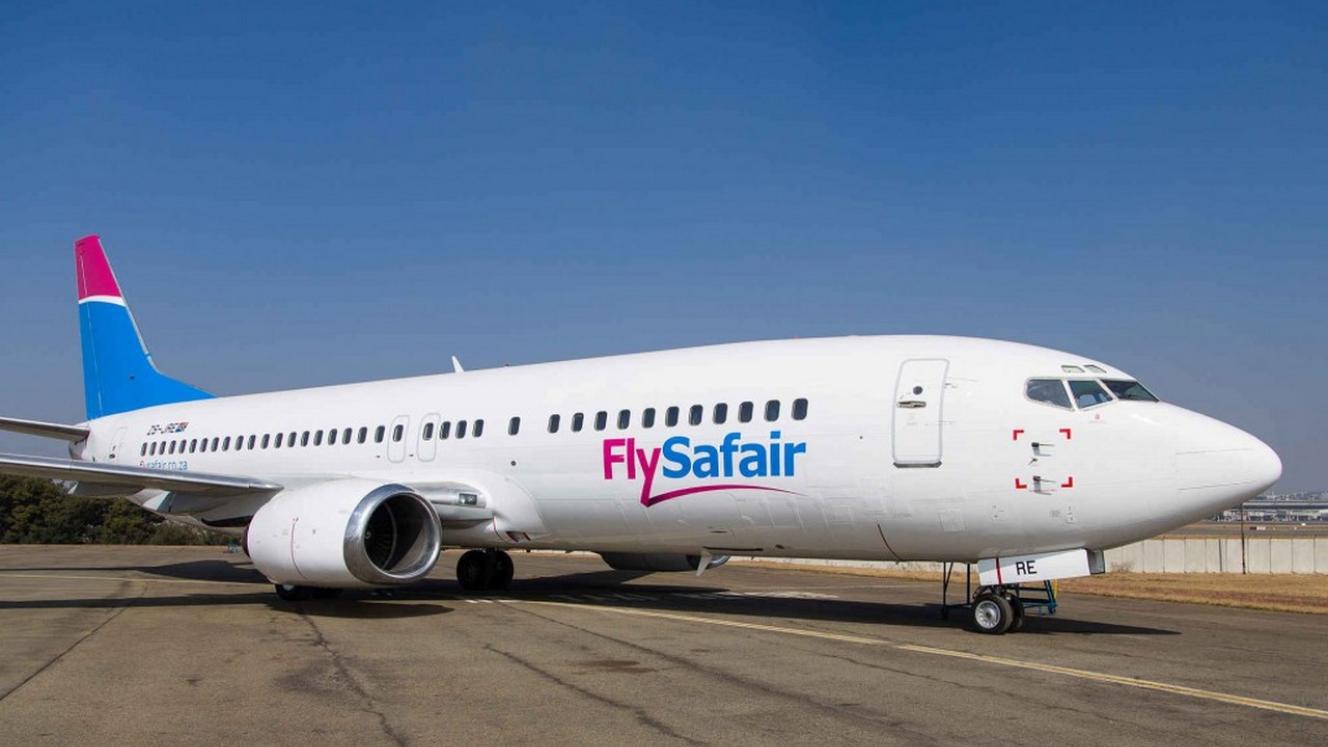
Overbooking Under Scrutiny: The FlySafair Case and Its Implications
Air travel has become an essential component of modern life, providing convenience and connecting people across the globe. However, the recent referral of FlySafair by the National Consumer Commission (NCC) to the National Consumer Tribunal has cast a spotlight on the controversial practice of airline overbooking, raising essential questions about consumer rights and industry standards in South Africa.
As travel enthusiasts and frequent flyers, this topic resonates with many of us. Understanding the implications of this case could significantly influence how airlines operate in our skies and shape consumer protections for years to come. Let’s dive deeper into the unfolding narrative and see why it matters.
What Happened
The NCC launched an investigation into FlySafair’s overbooking practices around January 2025, triggered by numerous consumer complaints regarding paid passengers being denied boarding. This inquiry focused on bookings made during late 2024 and early 2025, ultimately leading to the NCC’s referral to the Tribunal in May 2026 for several alleged violations of the Consumer Protection Act 68 of 2008 (CPA).
FlySafair defended its practices as legitimate revenue-management strategies widely accepted in the aviation industry. They argue that overbooking helps manage no-show rates, optimizing occupancy and operational efficiency, while mitigating financial losses from empty seats. Yet, the NCC’s actions prompt a larger debate: Can international standards coexist with South Africa’s consumer protection laws?
Why It Matters
The core issue revolves around whether airlines can legally accept more bookings than available seats—a practice that meets widespread global endorsement but might conflict with local consumer laws. Section 47 of the CPA explicitly addresses issues related to overbooking, while Section 41 prohibits misleading representations regarding service availability.
The Tribunal faces the daunting task of determining if FlySafair’s overbooking practices infringed upon consumer rights, which could set a crucial precedent. Such a ruling could reshape the airline industry’s approach to capacity management within South Africa, prompting other carriers to reassess their policies to avoid similar scrutiny.
The Bigger Picture
The situation is not isolated to South Africa. Countries like India have embraced overbooking as a standard practice while implementing rigorous measures to protect consumer rights. Indian regulations require airlines to seek volunteers before denying boarding, offering substantial compensation if passengers are involuntarily bumped from flights.
Unlike FlySafair’s limited compensation of R1,000 for inconvenienced passengers, India’s approach mandates robust rights for travelers, emphasizing that operational risks should largely fall on airlines—not the consumers. The Indian model could serve as a guiding example for South Africa, where ensuring passenger rights is increasingly becoming a focal point of regulatory discussions.
Key Takeaways
- The NCC has referred FlySafair to the Tribunal, questioning its overbooking practices.
- This case raises significant implications for consumer rights in the airline industry.
- A potential ruling could redefine the balance between operational efficiency and passenger protection.
- International comparisons, particularly with India, highlight varying approaches to managing overbooking.
- The outcome may shape airline policies and consumer safeguards in South Africa for the foreseeable future.
As we await the Tribunal’s decision, the FlySafair case serves as a crucial juncture for the airline industry in South Africa. Whether it results in stricter regulations or offers reassurance for current practices, the implications are deep and far-reaching. This could define how airlines balance profitability with passenger care, ultimately guiding consumers in their flying experiences.
In conclusion, the discussions swirling around FlySafair’s referral not only shine a light on the complexities of airline operations but also emphasize the importance of consumer rights within the aviation sector. How this story unfolds will undoubtedly reshape travel in South Africa, making it crucial for all of us who fly to stay informed and engaged.
Source: Original report
