

The anticipation surrounding the 2026 FIFA World Cup reached new heights as Africa proudly celebrated an unprecedented representation of ten nations. With a dream of securing victory and showcasing the continent’s talent, fans rallied behind their teams, igniting a collective spirit of hope and determination.
This year marked a historic moment for Africa, with the highest number of representatives in World Cup history. However, as the Round of 32 unfolded, the narrative turned bittersweet. Only two teams—Egypt and Morocco—managed to advance from the knockout stage after gripping penalty shootouts against strong competitors, Australia and the Netherlands, respectively. The exit of seven other nations, including Senegal, DR Congo, South Africa, Côte d’Ivoire, Algeria, Ghana, and Cabo Verde, left a mixture of pride and disappointment. Tunisia’s early elimination from the tournament added a somber note to the continental quest for glory.
What happened
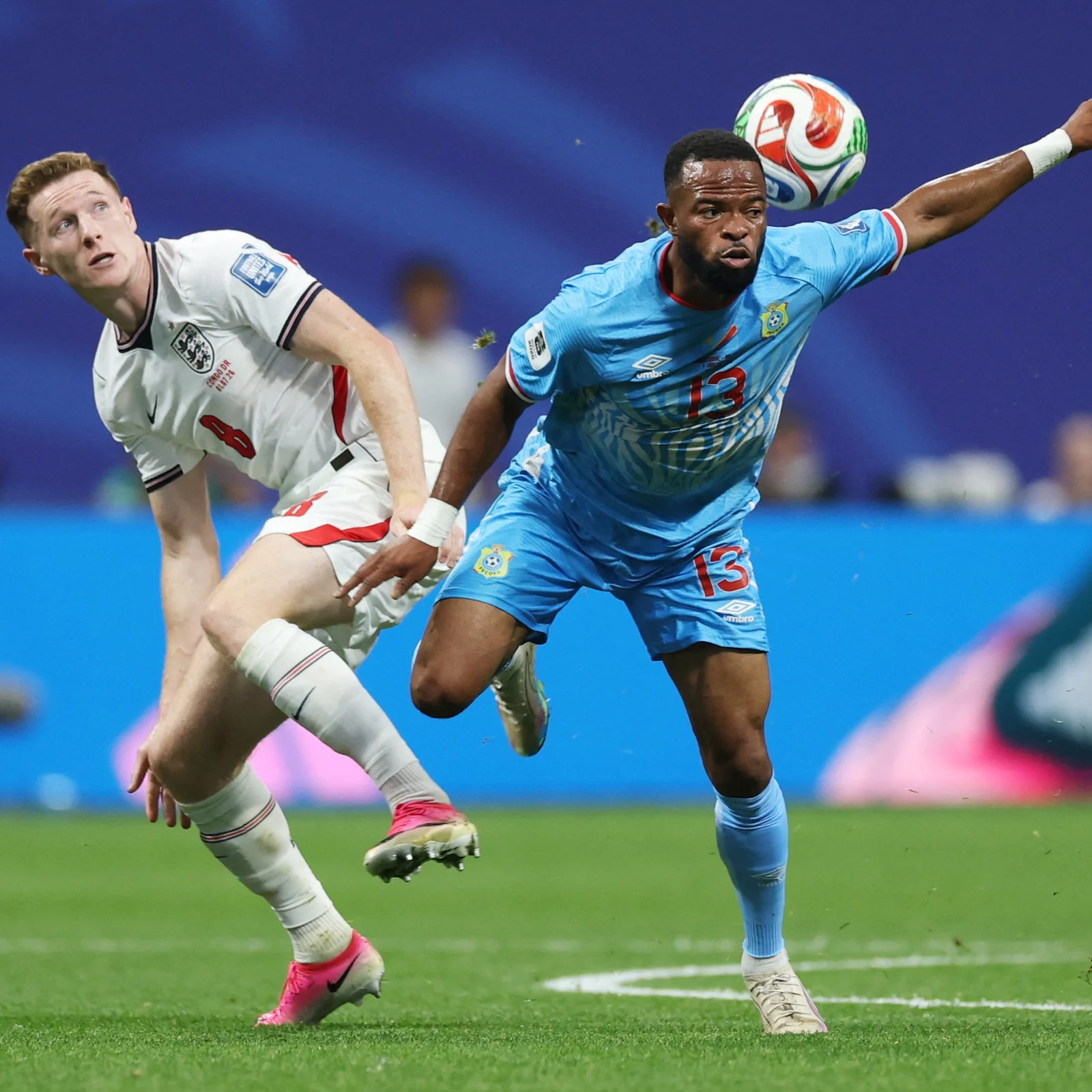
South Africa’s journey ended first, falling 1-0 to Canada in a tightly contested match. They were soon followed by Côte d’Ivoire, who suffered a narrow 2-1 defeat to Norway. The DR Congo fought valiantly but ultimately succumbed to England with a similar scoreline. Senegal, the continent’s heavyweight, went toe-to-toe against Belgium, pushing the match into extra time before narrowly losing 3-2.
Algeria then faced Switzerland, exiting the tournament after a clean 2-0 loss. In a memorable yet challenging match, World Cup debutants Cabo Verde showcased resilience and spirit but lost to defending champions Argentina 3-2 in extra time. Ghana was also eliminated after a closely fought contest with Colombia, falling short by a single goal.
Why it matters
The performances of Egypt and Morocco have not only lifted the spirits of their nations but have also sparked a renewed sense of hope across the continent. Egypt’s nail-biting penalty shootout against Australia, where they triumphed 4-2, marked their first-ever progression to the Round of 16. Morocco proved their mettle by overcoming a formidable Netherlands team, securing their advancement through a tense penalty shootout.
Cabo Verde, despite their early exit, captured the admiration of football enthusiasts worldwide. Their performance against Argentina—a match packed with intensity and determination—firmly established them as a rising force in the realm of international soccer. The spirit displayed by this underdog nation resonated with fans across the globe, illustrating the depth and potential of African football.
The bigger picture
With Egypt and Morocco advancing, the hopes of an entire continent now rest upon their shoulders. These teams represent a broader narrative of African resilience and innovation in football, challenging the preconceived notions of the sport. Their victories exemplify the growing global presence of African players and nations in top-tier competitions.
The World Cup serves as a crucial platform where emerging talents can shine on the world stage, shifting the focus from traditional powerhouses to nations like Egypt and Morocco that are determined to carve their names in football history.
Key takeaways
- Africa achieved its highest representation in World Cup history with ten nations participating.
- Egypt and Morocco are the last African teams standing, with Egypt progressing to the Round of 16 for the first time.
- Cabo Verde made a significant impact despite their exit, showcasing Africa’s emerging talent.
- The tournament highlights the resilience and capabilities of African football on a global scale.
- The passion of the fans and the spirit of the players signify a bright future for African nations in international football.
As the World Cup progresses, all eyes will be on Egypt and Morocco. Both teams embody the aspirations of a continent eager for recognition and success on the global stage. With the tournament still ripe with possibilities, Africa’s football narrative continues to unfold, promising thrilling matches and inspiring moments. The stage is set for these nations to shine, leaving an indelible mark on this year’s World Cup.
Source: Original report
