

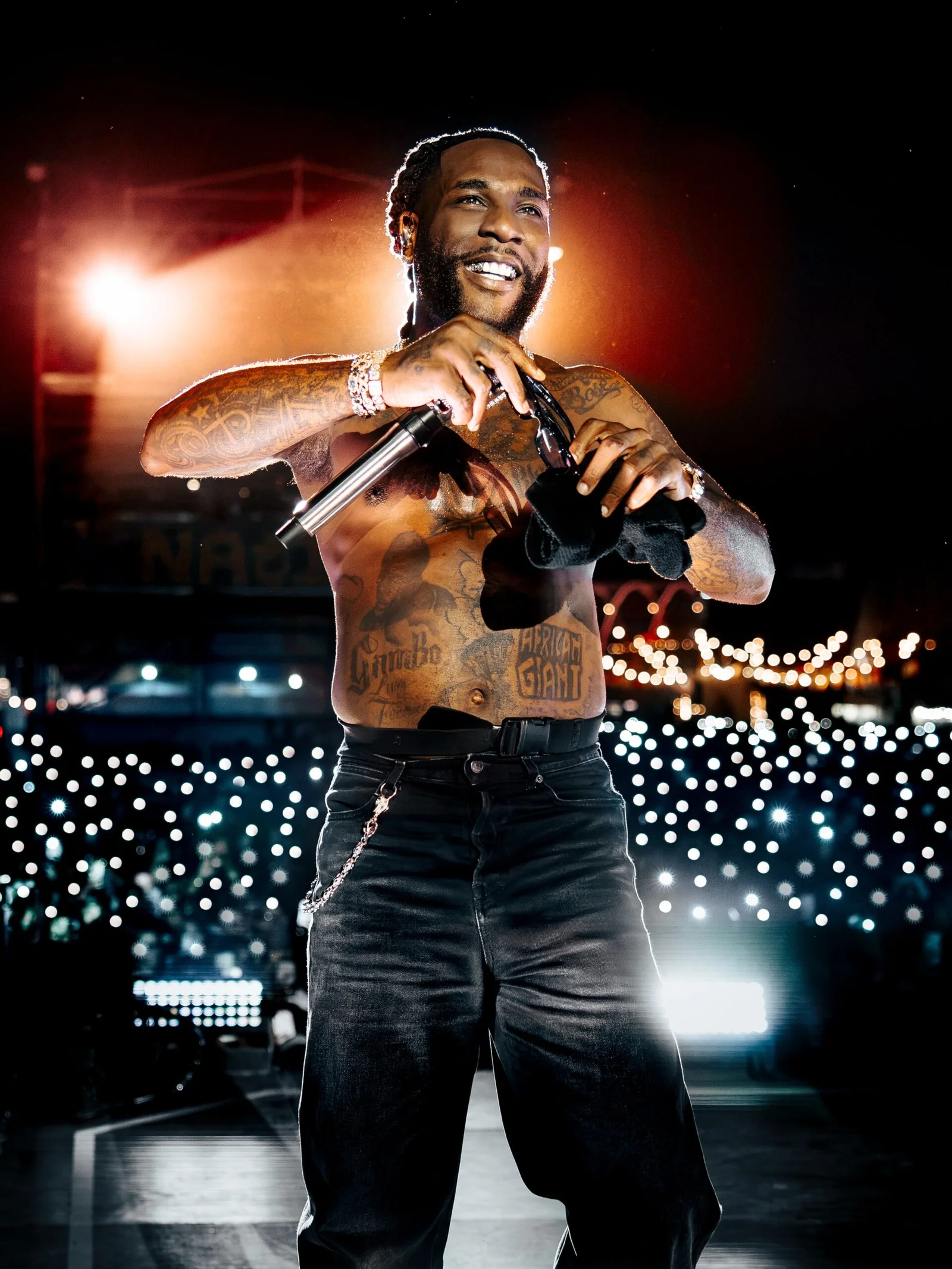
In a transformative era for music, aspiring artists face a new reality in 2026: while the tools to create and share music are more accessible than ever, the challenge of gaining recognition has intensified. In this digital age, where anyone can release a song with just a few clicks, the struggle lies not in talent but in the ability to capture and hold the audience’s attention.
For music lovers and industry insiders alike, understanding this shift is vital. With over 100,000 new tracks flooding streaming platforms daily, the sheer volume of content makes it harder than ever for even the most talented musicians to be heard. The stakes have changed; it’s not merely about producing great music but about standing out in a sea of endless competition.
What happened
The landscape of the music industry has undergone a seismic shift. Once, musicians competed for limited access to platforms and promotional channels. Today, they face a different battle: capturing attention in a hyper-connected digital sphere. Listeners are no longer just choosing between a few albums; they’re sifting through millions of songs, podcasts, videos, and social media content. The competition has expanded exponentially.
Many artists struggle to gain traction despite their quality output. The real challenge lies in discoverability. Algorithms on streaming platforms and social media dictate exposure, often valuing quick audience engagement over artistic merit. A song’s initial reception determines its trajectory; if audiences don’t respond quickly, even the most outstanding tracks can vanish unnoticed.
Why it matters
This paradigm shift reflects a broader reality in modern culture. For artists to thrive today, they must craft a unique identity that resonates with audiences. It’s not enough to be skilled; a compelling persona is essential. History shows that artists resonate deeply when they project a memorable identity, one that viewers can connect with beyond just the music.
Take the example of Afrobeats sensation Burna Boy. His rise to global prominence wasn’t solely due to his vocal prowess but also through his authentic Afro-fusion style and his ability to engage with pressing societal issues. Similarly, artists like Tems and Tyla have introduced distinct sounds—reshaping R&B and pop respectively—while firmly rooting their identities in their African heritage.
The bigger picture
In an interconnected world, an emerging artist in Accra finds themselves competing not only with local talent but also with creators from cities like Lagos, Johannesburg, London, and Los Angeles. This global stage offers unprecedented opportunities, but it has also escalated competition. Audiences now seek something deeper than just catchy melodies; they crave authenticity and originality.
Despite the challenges posed by streaming and social media, the essence of human connection remains unchanged. People are drawn to artists who inspire them, whose work becomes a part of their lives. In this sense, while technology may have altered distribution methods, it hasn’t diminished the importance of emotional connection. Artists who stay true to themselves and their experiences will always find an audience willing to support them.
Key takeaways
- Talent is crucial but no longer guarantees success.
- Creating a unique identity is essential for standing out.
- Engagement metrics influence visibility on streaming platforms.
- Authenticity and originality are key to building a loyal audience.
- Artists must embrace social media as a tool for deeper connection.
As we move deeper into 2026, it becomes clear that while opportunity has expanded, talent alone is merely the starting point. Building a successful music career requires strategy, resilience, and an unwavering commitment to authenticity. In a world overflowing with sound, it’s the artists who can cultivate a distinct presence who will ultimately shine amidst the noise.
Source: Original report
