

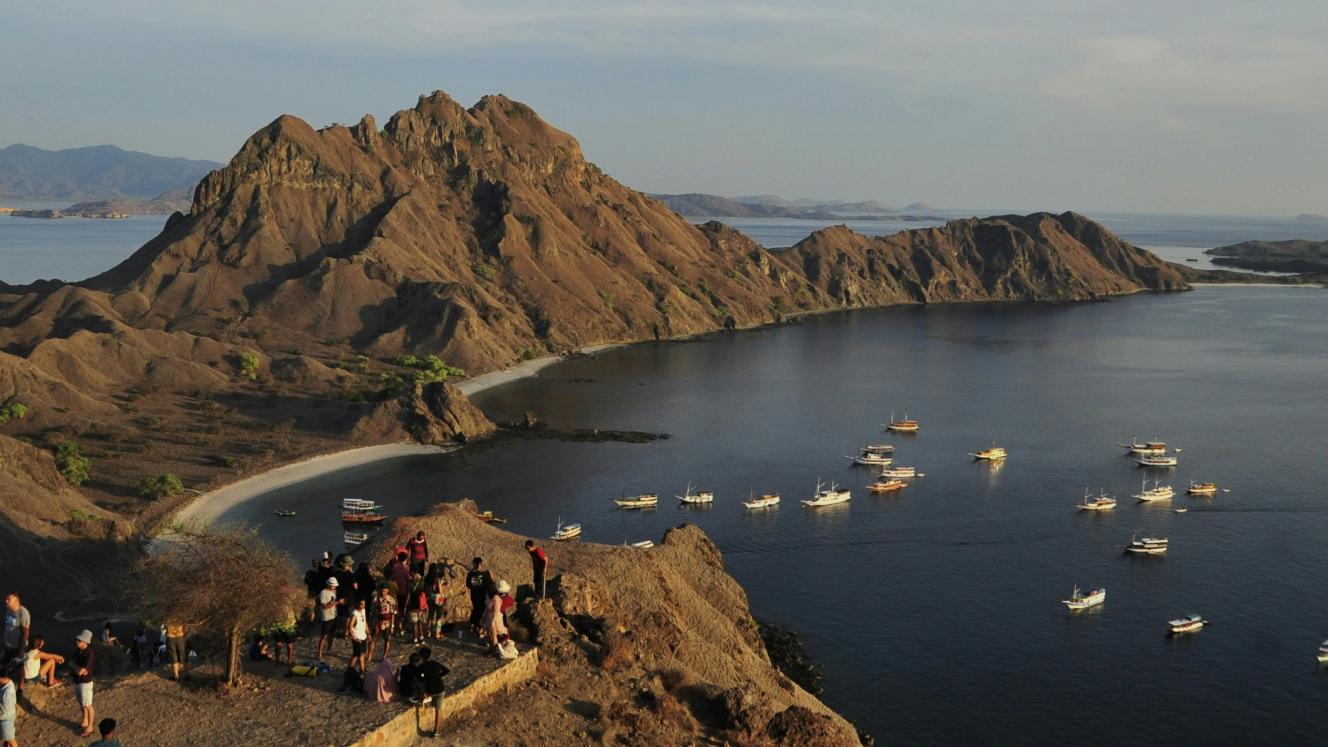
In a significant move to protect its unparalleled natural wonders, Indonesia has implemented a daily visitor cap of 1,000 for the awe-inspiring Komodo National Park. Home to the world’s largest living lizard, the park, a UNESCO World Heritage Site, is a vital part of Indonesia’s ecological and cultural legacy, attracting nature lovers and adventure seekers from across the globe.
The implementation of this visitor cap comes as no surprise. With the park welcoming nearly 430,000 visitors in 2025—far exceeding its sustainable annual capacity of 380,000—Indonesia’s Ministry of Forestry has recognized the urgent need to strike a balance between tourism and conservation.
What happened
The Ministry of Forestry, led by Minister Raja Antoni, announced the visitor cap specifically for significant areas within the park, including the stunning Padar Island, Rinca Island, and Komodo Island, in addition to 23 surrounding dive sites. This proactive measure is grounded in extensive research, highlighting the long-term detrimental effects of overtourism on the area’s fragile ecosystems.
Minister Antoni emphasized the necessity of this decision, stating, “Our decision to limit the tourist quota is based on research showing that long-term overtourism will result in damage to the area and the loss of its tourist attractions.” This statement clearly illustrates the government’s commitment to preserving the park’s unique biodiversity for future generations.
Why it matters
The introduction of the visitor cap is crucial not only for the physical protection of Komodo National Park but also for raising awareness about sustainable tourism practices. By limiting the number of tourists, the Indonesian government aims to mitigate environmental degradation, which poses a threat to the park’s iconic inhabitants—the Komodo dragons. This species is already vulnerable due to habitat loss and climate change, making conservation efforts even more critical.
Furthermore, a well-managed tourism strategy encourages a more enriching experience for visitors. With fewer crowds, tourists can immerse themselves in the stunning landscapes and unique wildlife without feeling rushed or overwhelmed.
The bigger picture
This visitor cap aligns with a growing global trend among tourist destinations to establish sustainable tourism practices. Countries around the world are increasingly recognizing that unchecked tourism can lead to irreversible damage to natural sites and cultural heritage. By setting a precedent, Indonesia is not only protecting Komodo National Park but is also inspiring other locations to consider similar measures.
As the global community faces challenges related to climate change and biodiversity loss, Indonesia’s steps to regulate tourism could set a standard for balancing economic interests with environmental stewardship. The emphasis on ecological preservation serves as a reminder of our collective responsibility to nurture the planet’s diverse ecosystems.
Key takeaways
- Daily visitor cap of 1,000 implemented for Komodo National Park as an overtourism countermeasure.
- India aims to protect the unique habitat of the Komodo dragon and surrounding wildlife.
- Visitor cap spans crucial sites like Padar, Rinca, and Komodo Islands, plus multiple dive locations.
- The government plans to regularly review the effectiveness of the visitor quota.
- Measures aim to enhance the overall visitor experience by reducing overcrowding.
In conclusion, Indonesia’s decision to cap visitors at Komodo National Park is a vital step towards preserving one of the world’s most extraordinary habitats. This initiative not only safeguards the future of the Komodo dragon and its ecosystem but also sets a benchmark for sustainable tourism practices worldwide. As travelers increasingly seek destinations that prioritize environmental responsibility, Indonesia is poised to lead the charge in responsible travel while continuing to enchant visitors with its natural splendor.
Source: Original report
